The first British Army soldier to be demobilised after World War I

Something different – an article published in History Hit by a former colleague Kevin Parry who has researched the life of a PC Hill who worked as a police officer in Bedford but was also the first British Soldier to be demobilised after World War I. The link to the article is https://www.history.hit.com/who-was-the-first-british-soldier-to-be-demobilised-after-world-war-one/

How Policing Has Changed (10)

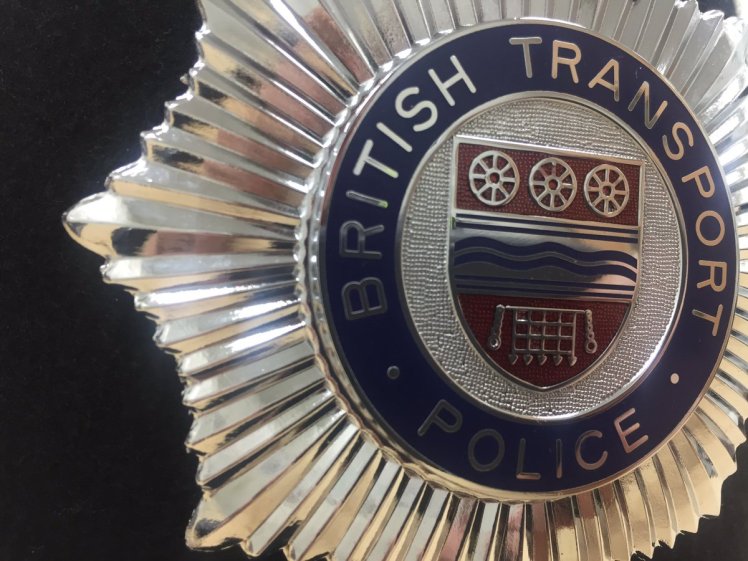
Today’s offering from the little book ‘One In For D & D’ is the abbreviation ‘PSU’ which stands for ‘Police Support Unit’. This is a police term for an Inspector, three Sergeants and three serials of seven constables which normally make up a full PSU. Public Order tactics have been refined and changed over the years but what has not changed is that a highly-trained PSU is a very effective tool in terms of managing large-scale demonstrations, events, public order situations, or simply providing a safe and secure environment for the movement of large numbers of people. (Pictures of a British Transport Police PSU escorting football supporters in London – courtesy of BTP media)

How Policing Has Changed (9)

Today’s abbreviation from ‘One In For D & D’ is S.O.C.O. which translates to ‘Scenes Of Crime Officer’ Nowadays officers wear proper protective clothing when attending crime scenes or postmortems and health and safety is a high priority. In the 70s as CID officers we routinely attended postmortems in our every day suits and stood next to the Forensic Pathologist whilst they carried out their work in the mortuary. People always knew where you had been afterwards because they could smell formaldehyde on your clothing! Challenging personal

experiences but vital in terms of investigatory work. The staff behind the scenes who collect forensic evidence such as DNA or fingerprints are often the unsung heroes who break open a case and find the vital lead. (picture courtesy of the Express & Star)

How Policing Has Changed (8)

Many of us come from a period of policing when small geographical areas had their own dedicated community police officer. Everyone knew them by name and they knew everyone – the local ‘eyes and ears’ of policing and the cornerstone of ‘community intelligence’. Sadly neighborhood policing has suffered somewhat due to financial constraints, and re-organisations, making the sight of local beat ‘bobbies’ much rarer. Our little book ‘One In For D & D’ lists ‘R.B.Os’ as one of the 500 slang words, phrases and abbreviations in use in the West Midlands from the 1970s onward


– ‘Resident Beat Officer’.

How Policing Has Changed (7)

Yesterday it was horses and today it’s man’s best friend – dog’s. Our little book ‘One In For D & D’ lists more than five hundred slang words and phrases used by police officers in the West Midlands from the 1970s onward. The term ‘growler’ was an affectionate term for police dogs. They are trained for many different purposes but undoubtedly are known for ‘saving the day’ when officers are trying to deal with violent situations. It’s a foolish person who ignores the command ‘Stop or I will release the dog!’ The photographs are courtesy of Paul Richards and Andy Fidgett, as well as the BTP History Group. Some are featured in ‘Police Dog Heroes – the history of the BTP Dog Section’.

How Policing Has Changed (6)

There was a time when most police forces in the country had dedicated Mounted Police Sections, including the West Midlands Police. Officers who worked in these sections were highly trained specialists in their field and were worth their ‘weight in gold’ in public order situations. Affectionately known as ‘donkey wallopers’ they are included among the slang words listed in ‘One In For D & D’ which for the uninitiated means ‘One person in custody for being drunk and disorderly’. (Photos courtesy of Deb Menzel and the Express & Star)

How Policing Has Changed (5)

Our little book ‘One In For D & D’ explores more than 500 slang words, phrases and abbreviations used in the West Midlands by officers from the 1970s onward. Following the creation of the West Midlands Police in 1974, due to a number of amalgamations, the Force was known at one stage as the ‘Force of a thousand macs’ due to the sheer variety of raincoats worn. In the early 70s some officers were still even wearing capes which were extremely warm but very heavy and cumbersome. Three of their unofficial uses were being able to walk around with your hands in your pockets without being seen, holding your warm fish and chips wrapped in paper underneath without being seen, and occasionally using the cape

to swing at unruly potential prisoners to knock them off balance. (Photo courtesy of the ever helpful Deb Menzel – an icon when it comes to preserving West Midlands Police History)

‘Ta-Ra-A-Bit Our Kid’ – Born to be a Brummie

‘Ta Ra A Bit Our Kid’ is a little book of ‘Brummie’ slang designed to keep the language of Britain’s Second City alive, and to bring back memories of good times, tempered with the realisation that there were also  hard times. We might ‘talk through our noses’ and be the butt of ‘Jasper Carrott’ type jokes but ‘Brummies’ are a hardy bunch who are generally proud of their heritage. If you are not a Brummie you can’t do a proper ‘Brummie’ accent! The pictures are of one of the co-authors (Mike) and evoke memories of Wheeler Street, Lozells where he was born. Tin baths for Saturday washes and an outside toilet were the order of the day. Saturdays also meant a visit to ‘Nan’ & Grandad’s. The school uniform evokes memories of St. Silas School in Handsworth and the ride on the donkey is at West Super Mare – the traditional day out for ‘Brummies’. Both Steve and Mike are proud to have been born in Birmingham and many of their

books have strong Birmingham links.

How Policing Has Changed (4)

The historical crime fiction book ‘Keep Right On’ is set in 1976 when Birmingham City F.C. and Aston Villa F.C. played in the same Division. The story focuses on two organised football gangs affiliated to these clubs, and their fight for supremacy, but is also set against the backcloth of the rise of the political right. For those who like to research history google ‘Robert Relf’ and see what you come up with. The riots which took place outside Winson Green Prison are covered in the story-line when once again the police found themselves fighting to maintain the ‘thin blue line’ sometimes with no more than borrowed dustbin lids for protection.